
Parenting
Why emotional regulation shapes how SA children learn
Emotional regulation in children directly determines whether they can concentrate, retain new information and feel safe enough to learn at school. When a child’s nervous system shifts into a survival response such as fight or freeze, their ability to think clearly drops sharply.
Social worker Michelle van Biljon has spent 19 years working with families and schools, including four years as a school social worker. Through her private practice, The Healing Ground, she runs workshops and builds practical toolboxes for parents and teachers across South Africa. Her central argument is straightforward: children’s emotional well-being cannot be treated as separate from academic progress.
Van Biljon, who is also a director at the Pretoria-based non-profit Dynamic Women for Children, says many adults struggle to help children manage big feelings because they were never taught to understand their own emotional responses. Speaking about her child-welfare work in Net Nine Nine, she said, “When they are protected, families and communities follow.”
What South African data shows about learner mental health
Many South African learners arrive at school carrying stress and unmet mental health needs that affect their daily focus. A 2022 U-Report South Africa poll published by UNICEF South Africa found that 73% of children and young people felt they needed mental health support, yet only 38% of those who needed it actively sought help.
In Foundation Phase and primary classrooms, that gap often shows up as withdrawal, restlessness or sudden outbursts rather than a neat request for counselling. Van Biljon saw this first-hand during her time as a school social worker. Without practical emotional support in schools, learners who are overwhelmed are frequently labelled as disruptive instead of distressed.
How emotional regulation in children effects their school performance
Emotional regulation in children shapes memory, attention and comprehension because a stressed brain prioritises survival over learning. When a learner enters a fight or freeze response, Van Biljon notes, their ability to process what a teacher is explaining becomes severely limited.
South African academic research supports this link between stress, trauma and classroom performance. A 2024 review in the South African Journal of Childhood Education found that early childhood trauma can alter brain regions responsible for memory, impulse control and decision-making. When teachers use trauma-informed teaching practices — prioritising safety and predictable routines — learners are better able to settle and absorb schoolwork.
Van Biljon makes the same point about the relationship between teacher and learner. When both the adult and the child are emotionally regulated, the classroom becomes calmer and more predictable. A teacher who recognises their own triggers is also far better placed to spot when a learner is struggling and respond without escalating the child’s distress.
Why teacher burnout makes emotional support harder
Supporting children’s emotional well-being becomes nearly impossible when the adults in front of the classroom are exhausted themselves. Van Biljon warns that teachers face heavy emotional demands every day, and without proper support for their own mental health, burnout quickly sets in.
National research backs up her concern. The Teacher Preferences and Job Satisfaction in South Africa report, produced by Stellenbosch University and reported by the Mail & Guardian on 22 April 2025, surveyed more than 1,580 teachers and found that 50% are considering leaving the profession within the next decade. Excessive administrative duties were cited as the primary source of stress by 70% of respondents, alongside heavy workloads, classroom violence and a lack of mental health support.
Report co-author Heleen Hofmeyr told the Mail & Guardian, “If we want to ensure quality education in South Africa, we need to invest in teacher well-being, training, and support.”
When teachers are stretched thin, they have little capacity left to co-regulate with distressed learners. Addressing emotional regulation in children therefore requires looking after the adults who teach and care for them.
Practical ways parents and teachers can support children
Practical tools work best when adults start with their own nervous system before trying to correct a child’s behaviour. Through The Healing Ground, Van Biljon designs workshops and toolboxes aimed specifically at parents and teachers rather than placing the burden solely on children.
For teachers, building emotional awareness helps create calmer classrooms where learners feel understood rather than policed. Simple daily habits — naming emotions plainly, keeping transitions predictable and pausing before reacting to conflict — give learners room to settle.
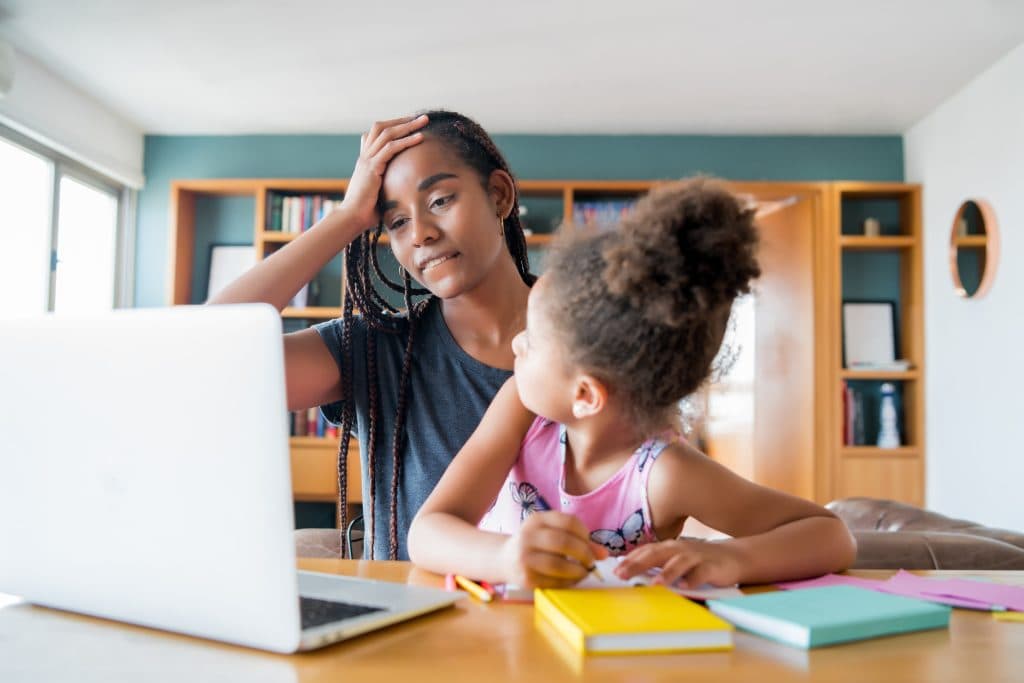
For parents, those same principles improve communication at home. When a child comes home irritable or shuts down over homework, a parent who can stay steady helps the child move out of a stress response faster. Alongside her adult workshops, Van Biljon also offers individual therapy and group sessions for clients ranging from verbal young children to adults seeking support.
Moving beyond marks to build healthier classrooms
Academic results depend on whether children feel safe enough to learn, not just on textbooks and curriculum pacing. As UNICEF South Africa’s parenting guidance emphasises, caring relationships at home and school form the foundation of a child’s mental health.
If you are a parent or teacher noticing signs of overwhelm at home or in class, start by checking how you respond under pressure this week. Notice one moment where pausing and naming the emotion changes the outcome for your child or learner.
Have you tried practical emotional regulation tools in your home or classroom? Share what worked in the comments below, or forward this article to a parent or teacher who needs it. To receive more practical South African education and parenting resources each week, subscribe to our newsletter today.

Lotshiwe Ntuli
AuthorLotshiwe Ntuli is a journalist and news reporter for Home & School as well as a noted sports reporter and commentator.
More by Lotshiwe Ntuli